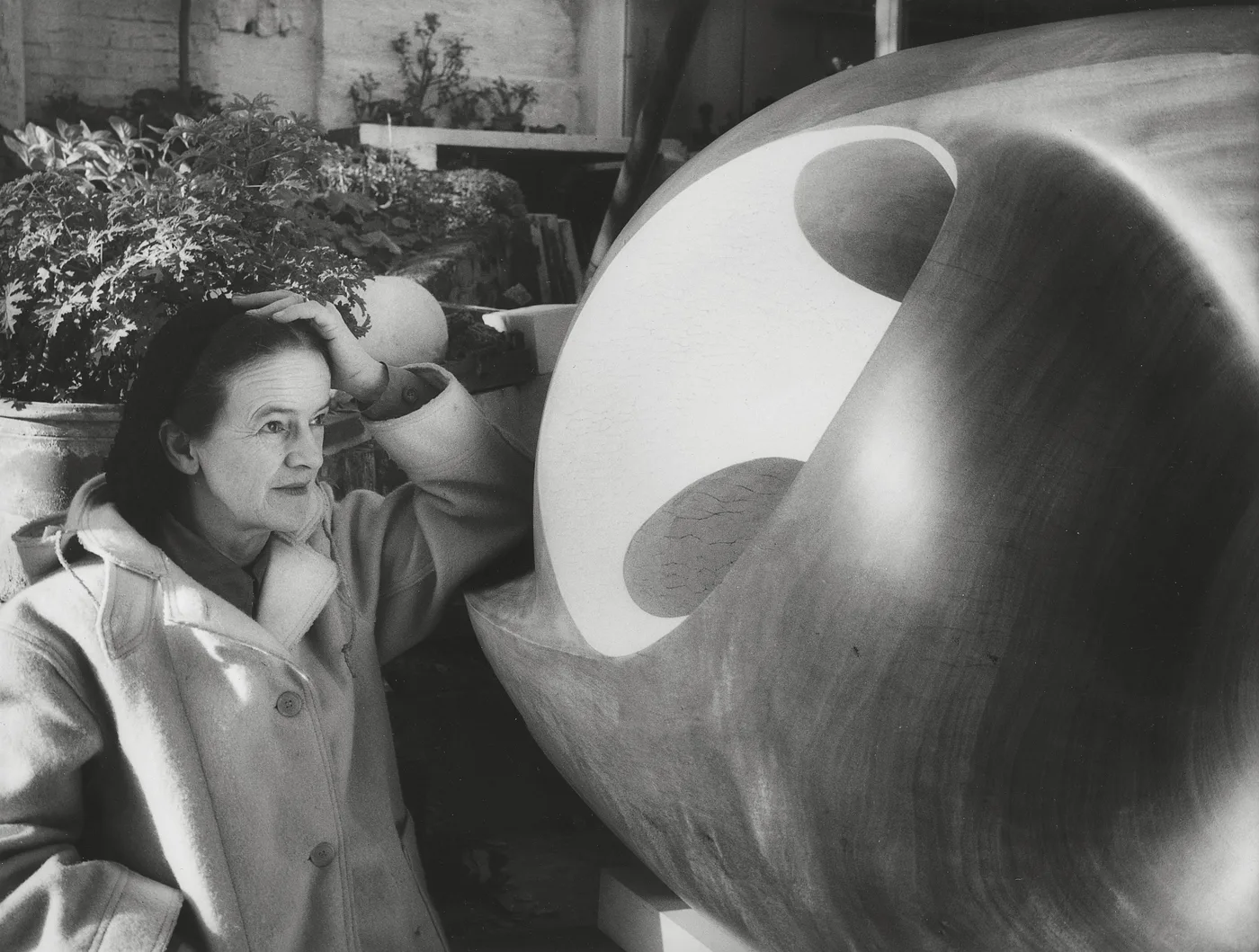

Barbara Hepworth and Greece and Alfred Wallis: An Artists' Artist open at Pallant House Gallery on 21 November, to 2 May 2027. Checked November 2026.
Pallant House Gallery opens two exhibitions on Saturday 21 November: Barbara Hepworth and Greece and Alfred Wallis: An Artists’ Artist. Both run until 2 May 2027 at the gallery on North Pallant, and an adult ticket covers both.
The gallery calls the Hepworth show the first exhibition to focus on the sculptor’s “deep affinity with Greece”. It brings together more than 50 works from across her career, some of them not seen in public since the 1960s. Next door, the Wallis show hangs paintings by the Cornish fisherman-turned-painter that once belonged to famous artists, alongside those artists’ own work.
Visiting: tickets and opening times
- Dates: 21 November 2026 to 2 May 2027, for both exhibitions
- Opening hours: Tuesday to Saturday 10am to 5pm; Sundays and bank holidays 10am to 4pm; closed Mondays
- Admission: adults £17, which includes a £2 Gift Aid donation; young adults aged 18 to 25 and Art Fund members £8.50; under 18s and gallery Friends free. Concessions are also available
- Where: Pallant House Gallery, 8-9 North Pallant, Chichester PO19 1TJ
- Booking: the gallery encourages visitors to pre-book online. A ticket covers the house and the seasonal exhibitions
The prices are from the gallery’s admission page, checked on 10 November 2026. The dates and opening hours are from the gallery’s press releases and its pages for the Hepworth and the Wallis exhibitions.
Barbara Hepworth and Greece
“I have waited 30 yrs to see Greece,” Hepworth wrote in 1954. That year she made her first and only trip there, at the invitation of her friend and patron Margaret Gardiner. She was 51. They sailed on Swan Hellenic’s cruise ship Miaoulis, through the Corinth Canal to the Aegean Sea and the Cyclades.
According to the gallery, she visited:
- Athens
- the ancient sites of Epidaurus, Mycenae and Delphi
- the islands of Crete, Rhodes, Cos, Patmos, Santorini, Mykonos and Delos
The exhibition follows her route through the diary she kept on the trip. In it she made sketches and pressed leaves and flowers.
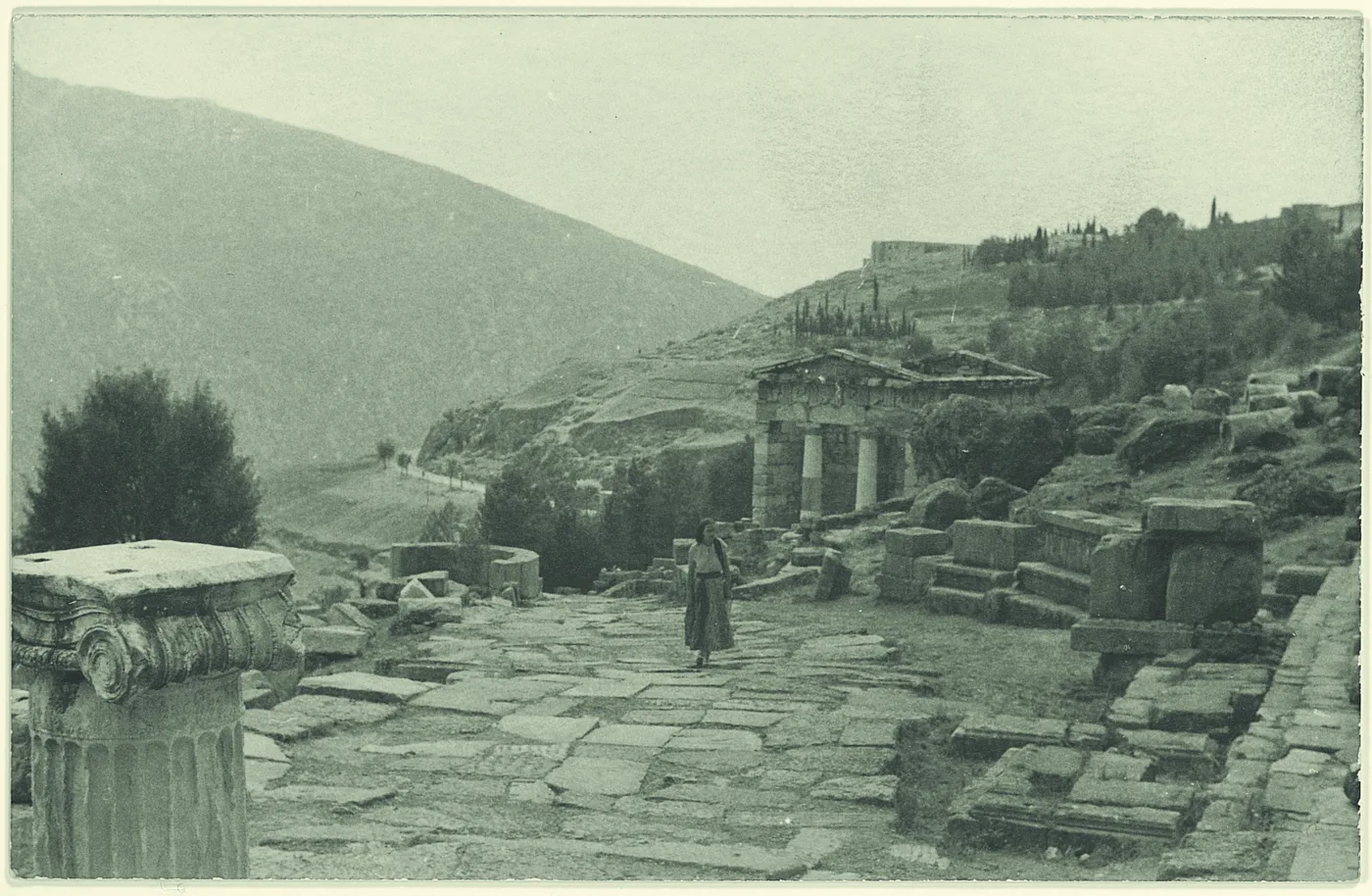
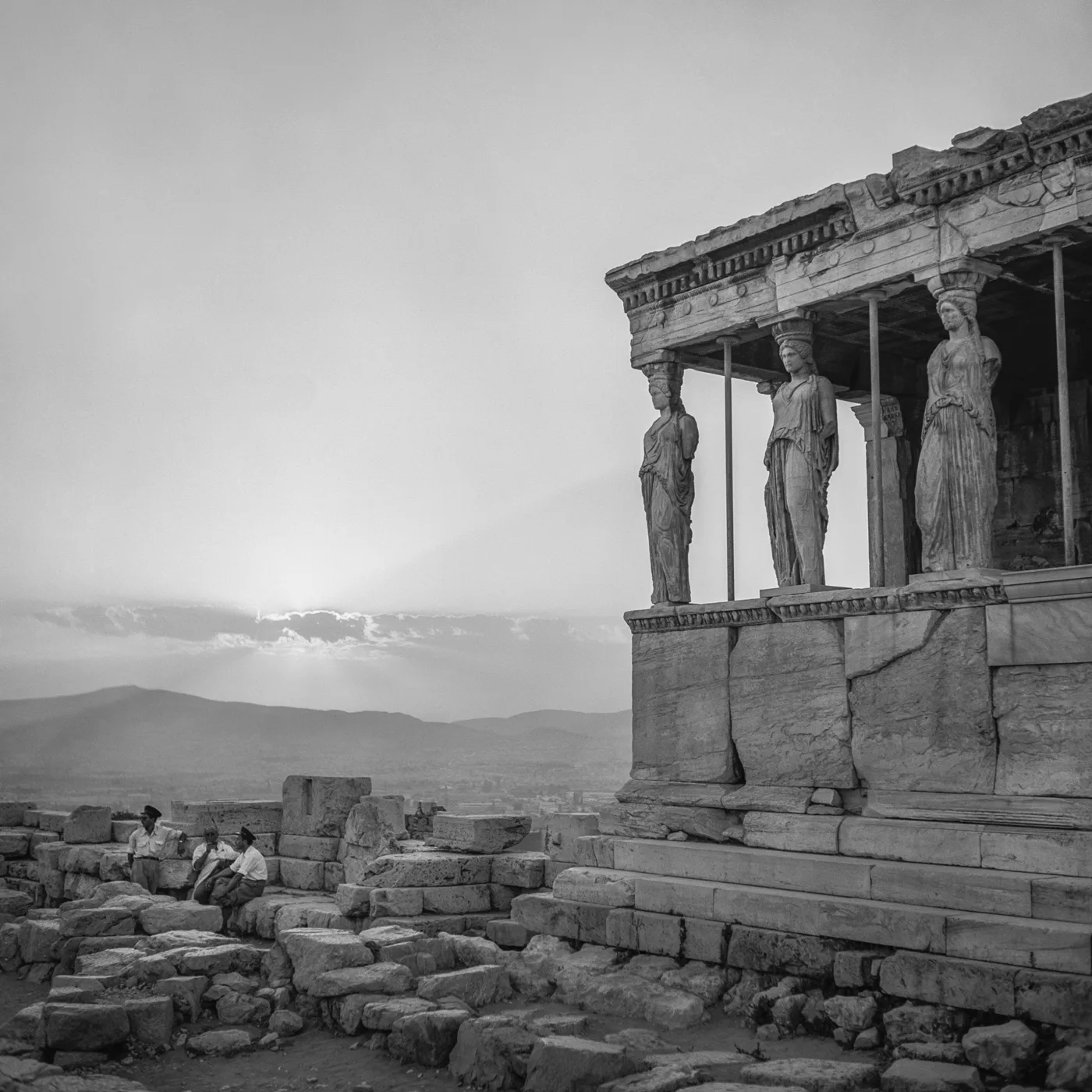
2 photos, swipe or scroll. Photos: Robert McCabe, supplied by Pallant House Gallery
The gallery says the journey came at a hard moment. Her marriage to Ben Nicholson had broken down in 1951. Her first son, Paul Skeaping, was killed in a flying accident while on active duty with the RAF in 1953. She then threw herself into her exhibition at the Whitechapel Gallery in spring 1954.
Melanie Vandenbrouck, Chief Curator at Pallant House Gallery, said:
“Barbara Hepworth’s life-affirming trip to Greece proved to be of tremendous importance. There, she found light after a period of darkness. Nourished by its sites, colours and the elements, her lifelong artistic vision about the relationship between figure and landscape was renewed. From that short but seminal journey emerged some of her most radical experimentations and accomplished works.”
The show opens with her interest in Greece long before she went. In the 1920s she sought out fine-grained Greek marbles, including Parian and Pentelic. Early works include Mask (1928). Pelagos (1946) takes its title from the Greek word for “sea”. There is also Apollo (1951), her first metal sculpture, made for a production of Sophocles’ Electra at the Old Vic, for which she designed the stage and costumes.
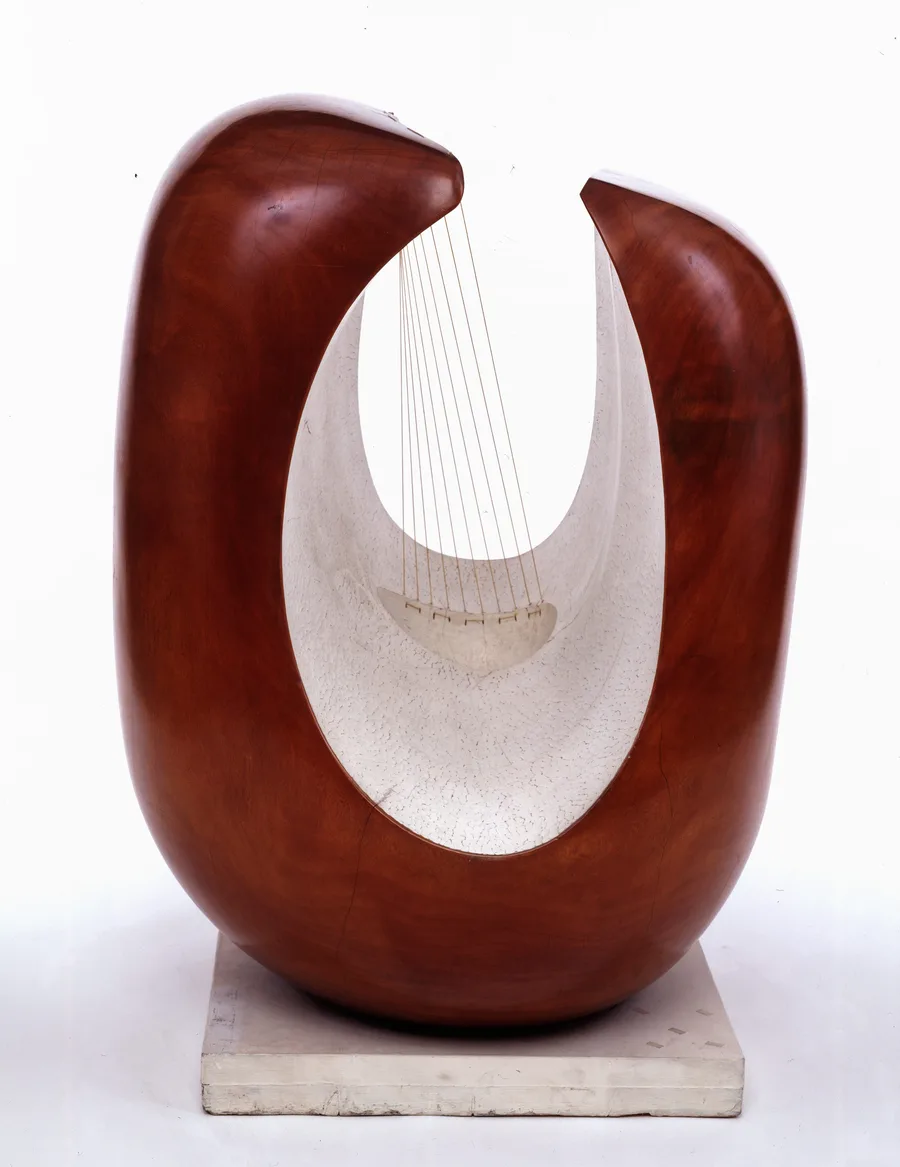
The works made after the trip include:
- Corinthos (1955), which the gallery says was inspired by the feeling of being enveloped in the landscape
- Curved Form (Delphi) (1956), which the release calls “her Greek masterpiece”. It is on loan from National Museums NI’s Ulster Museum
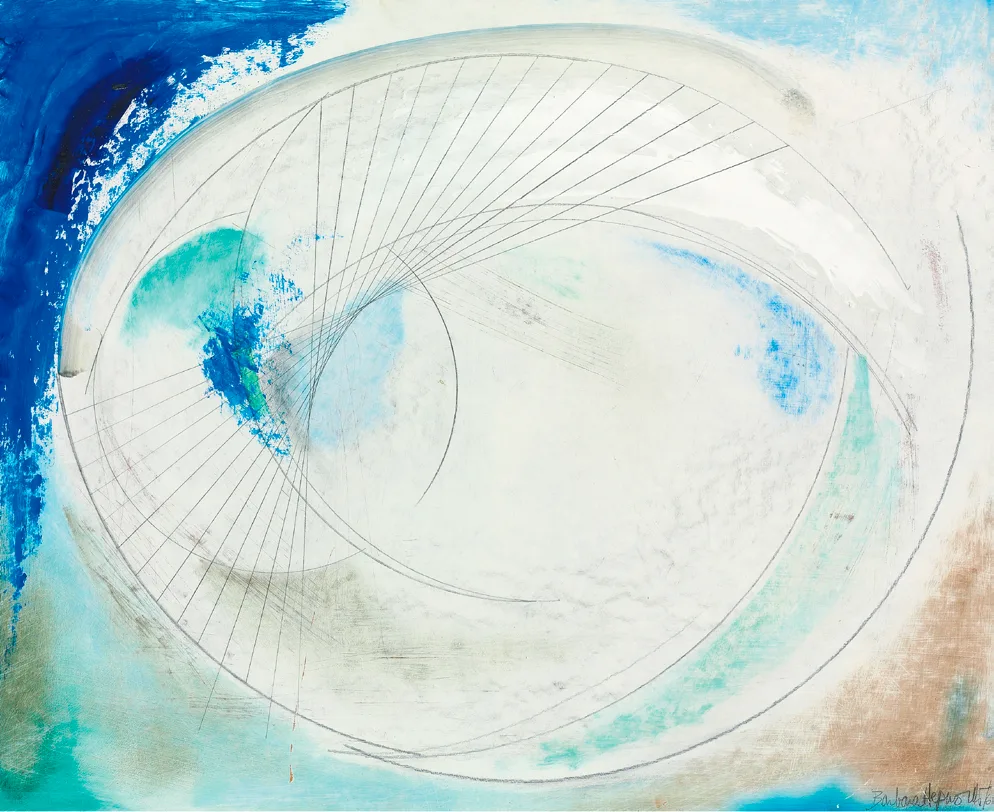
- the painting Pelagos (1961), made seven years after the trip, which the gallery says shows how the colours of Greece stayed in her memory
- her Aegean suite of lithographs, shown with marble carvings, bronzes and late screenprints
Corinthos and Curved Form (Delphi) were carved from Nigerian guarea wood, a material new to her. Archive photographs from her studio show her with these works, which she carved from 17 tonnes of the wood after she got back to St Ives. Photographs of the same Greek sites in the mid-1950s, by the American photographer Robert McCabe, show the Acropolis empty of visitors.
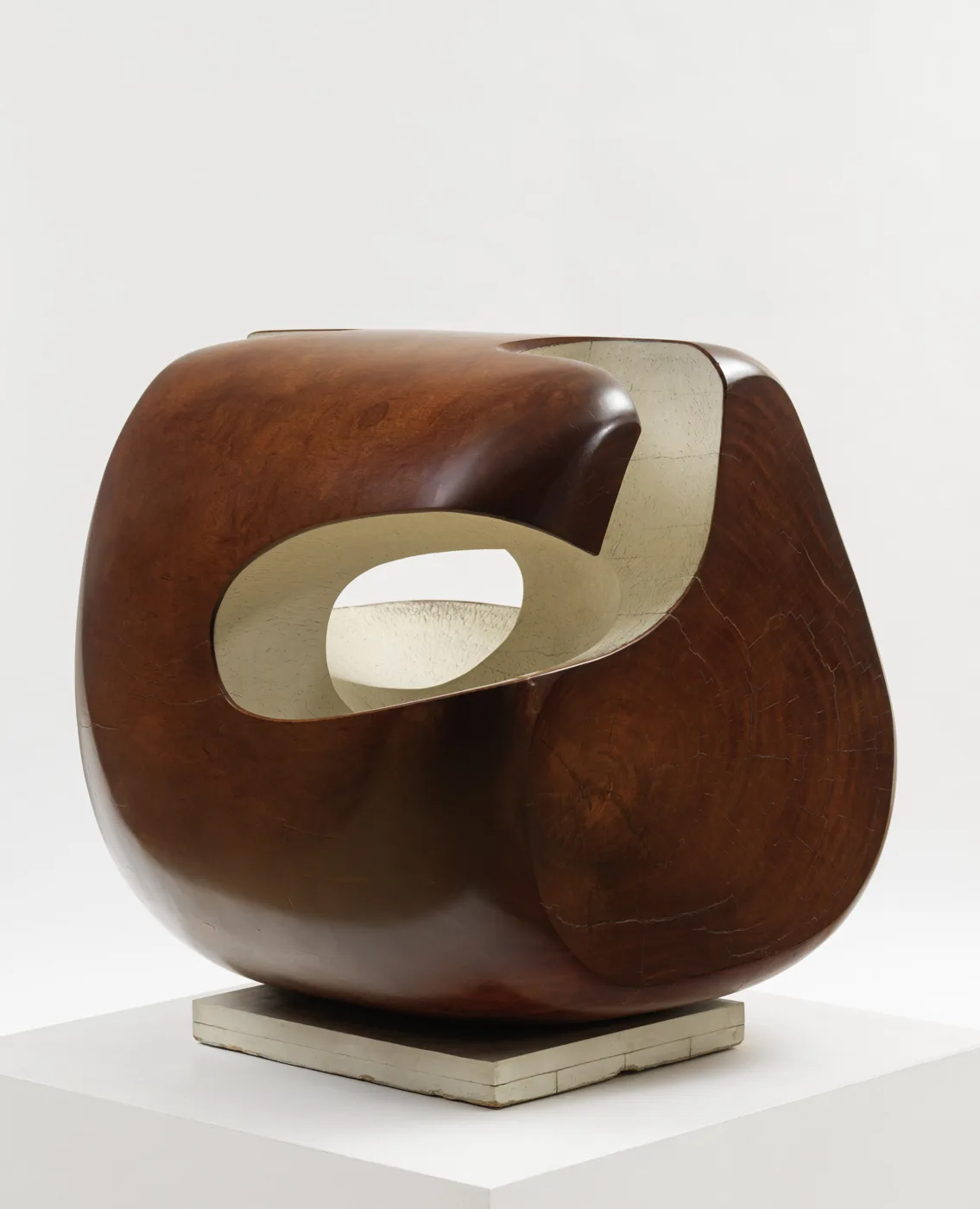
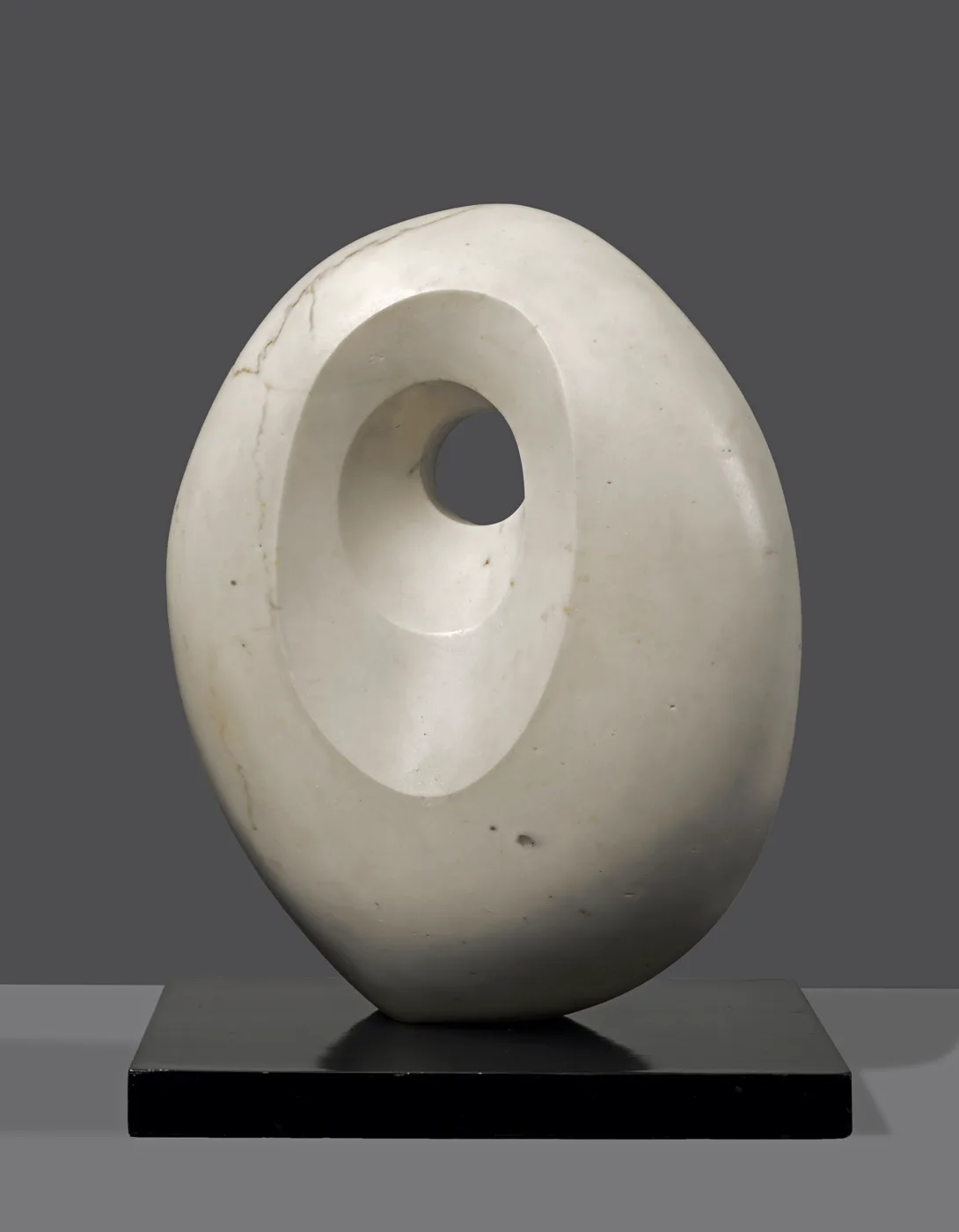
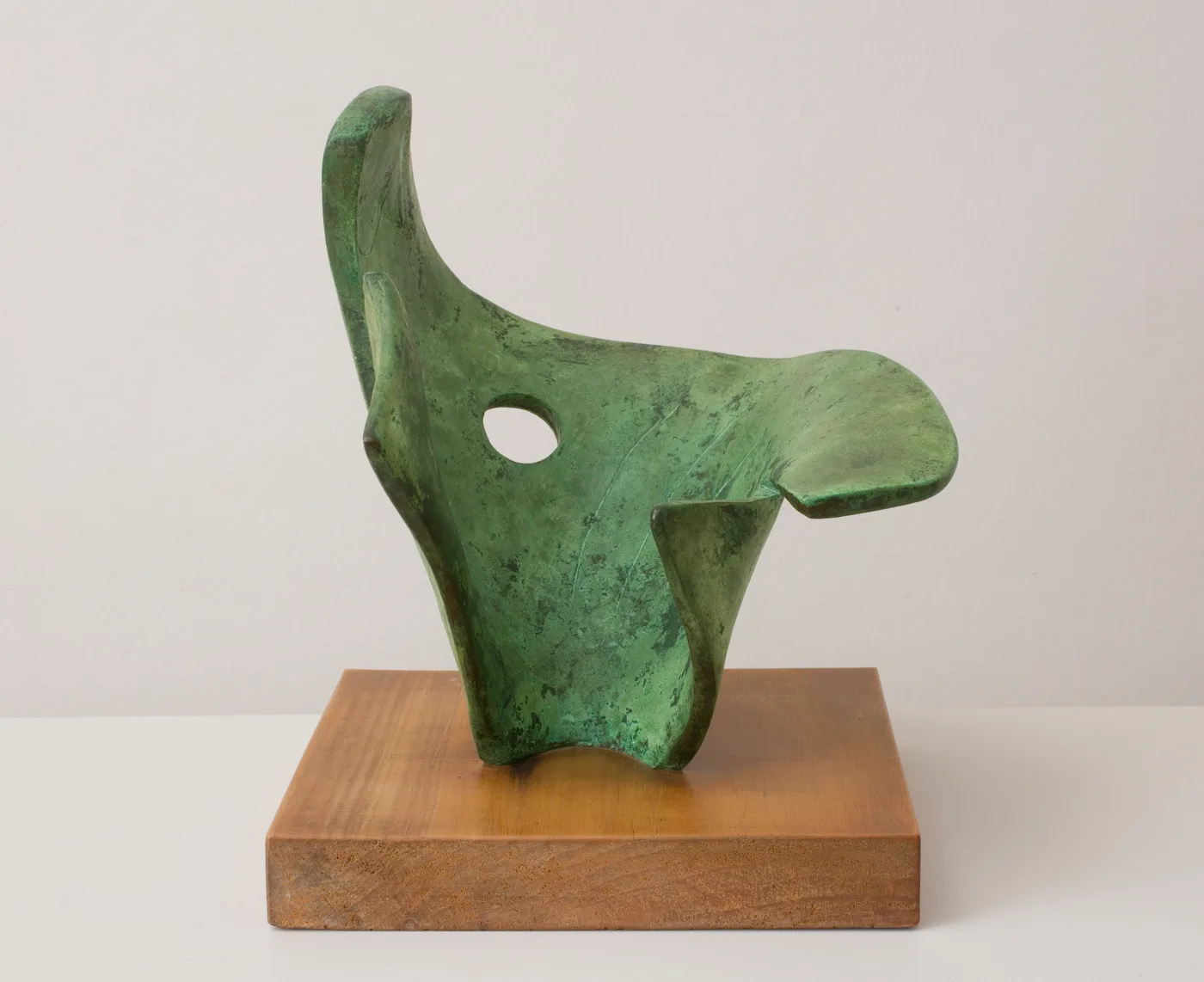
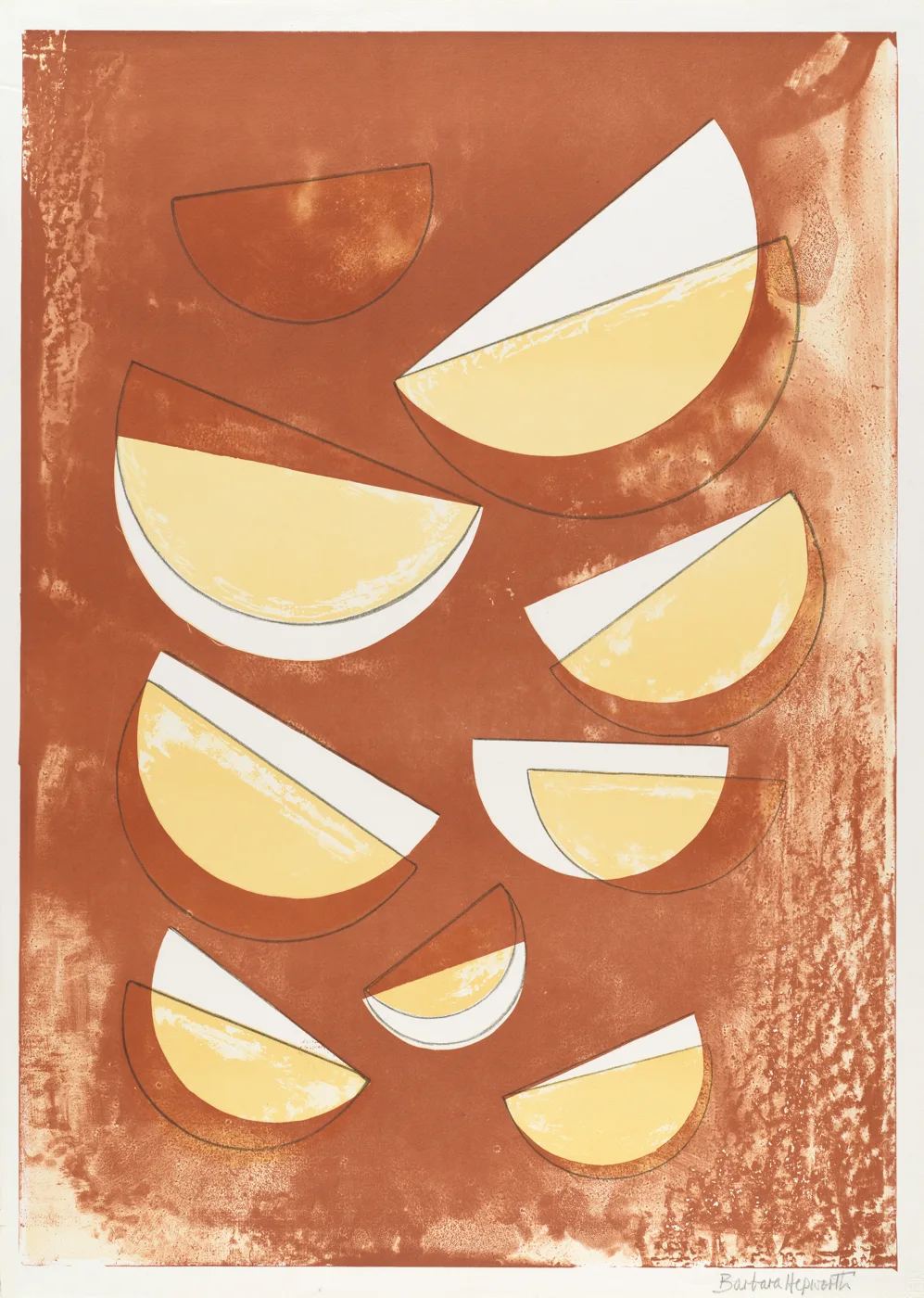
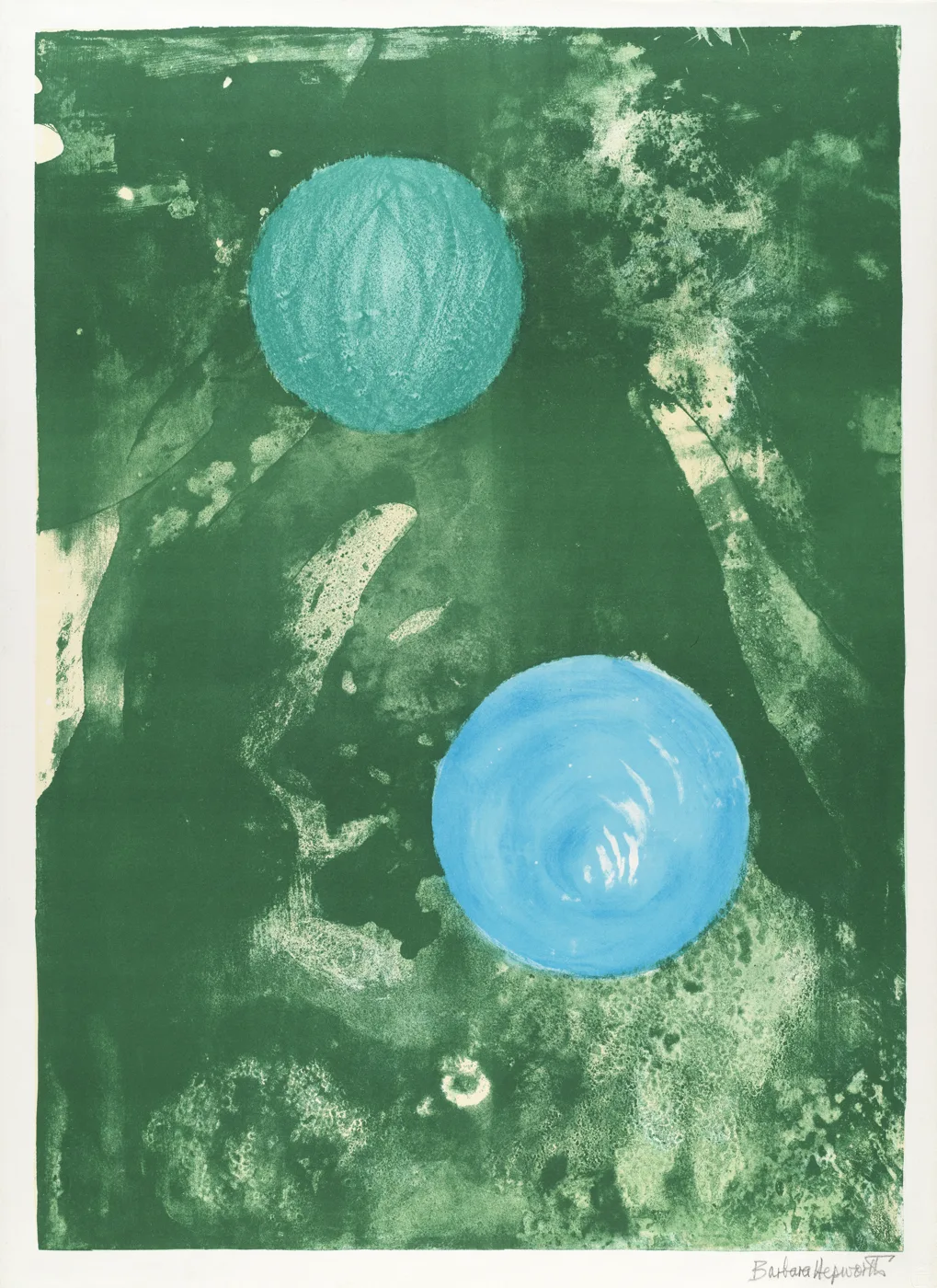
5 photos, swipe or scroll. Photos: Tate, © Bowness, supplied by Pallant House Gallery
Lenders include Tate, The Hepworth Wakefield, National Museums of Northern Ireland, private collections and The Hepworth Estate. A catalogue edited by Vandenbrouck has essays by her and the Hepworth experts Jo Baring and Stephen Feeke, the artist’s Greek diary and a response by the artist Ro Robertson.
Alfred Wallis: An Artists’ Artist
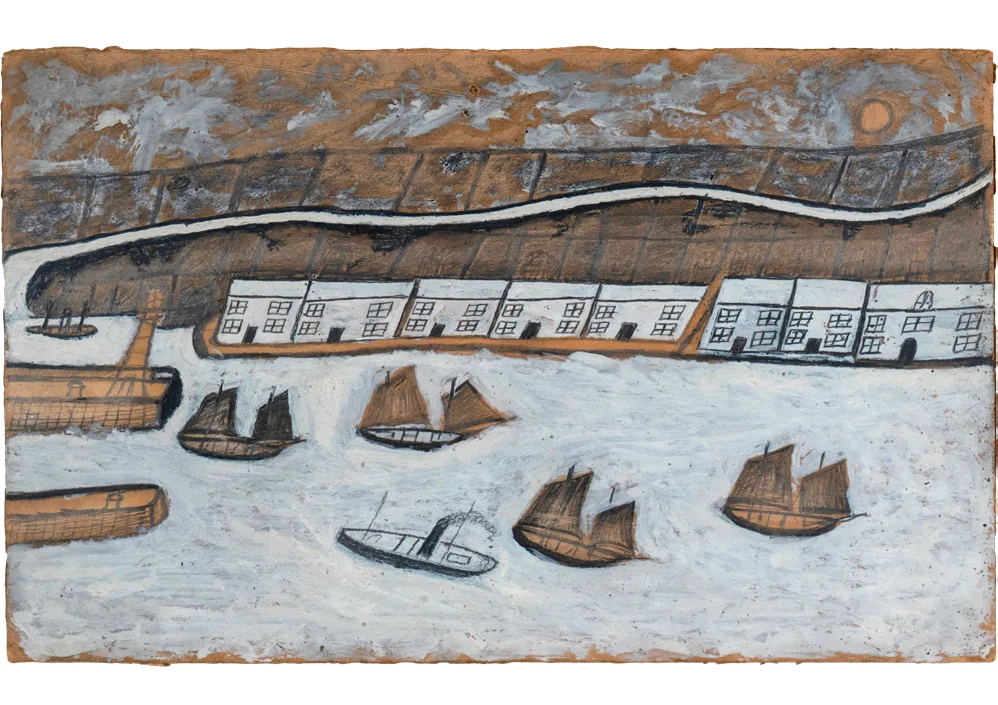
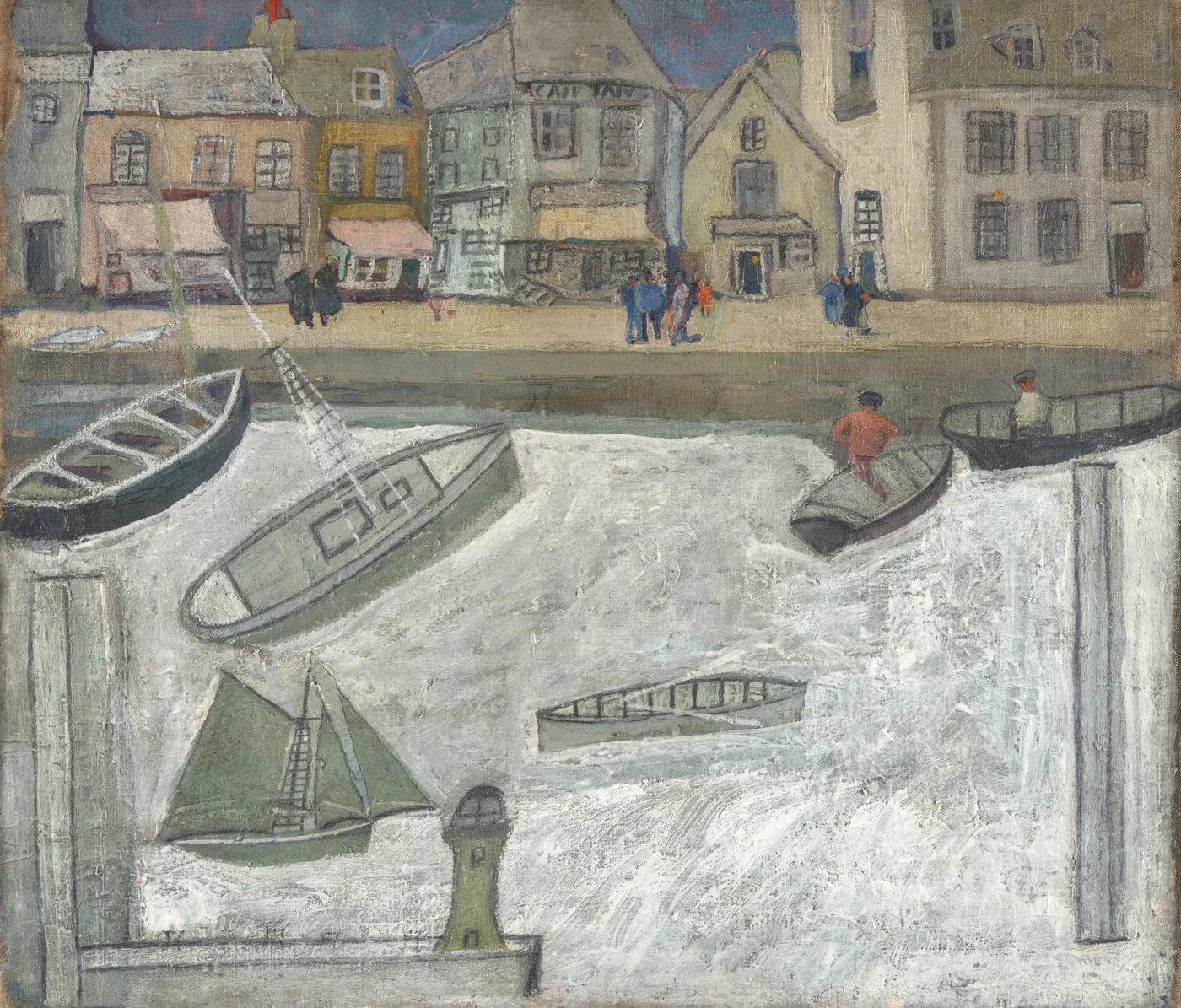
Alfred Wallis was born in Devon in 1855 and spent most of his life in Cornwall. He worked as a fisherman, then as a rag-and-bone man and marine storekeeper. He had no artistic training. He started painting at 70, after the death of his wife, Susan, and the gallery says he did it to overcome his loneliness.
He painted from memory on whatever came to hand: scraps of board, packaging and household items. His subjects were the harbours, fishing boats and coast around St Ives. Ben Nicholson and Christopher Wood came across him there in the late 1920s.
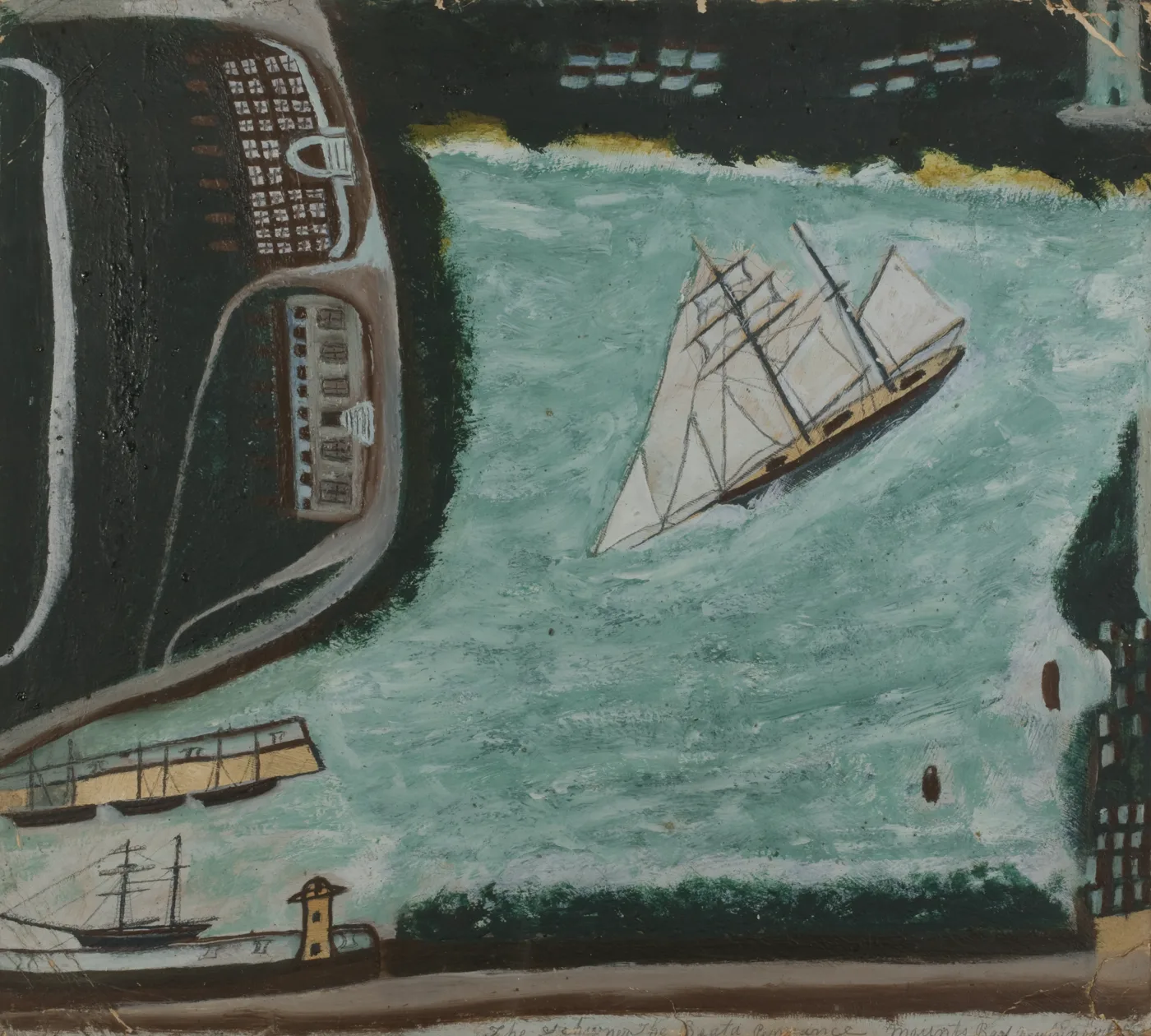
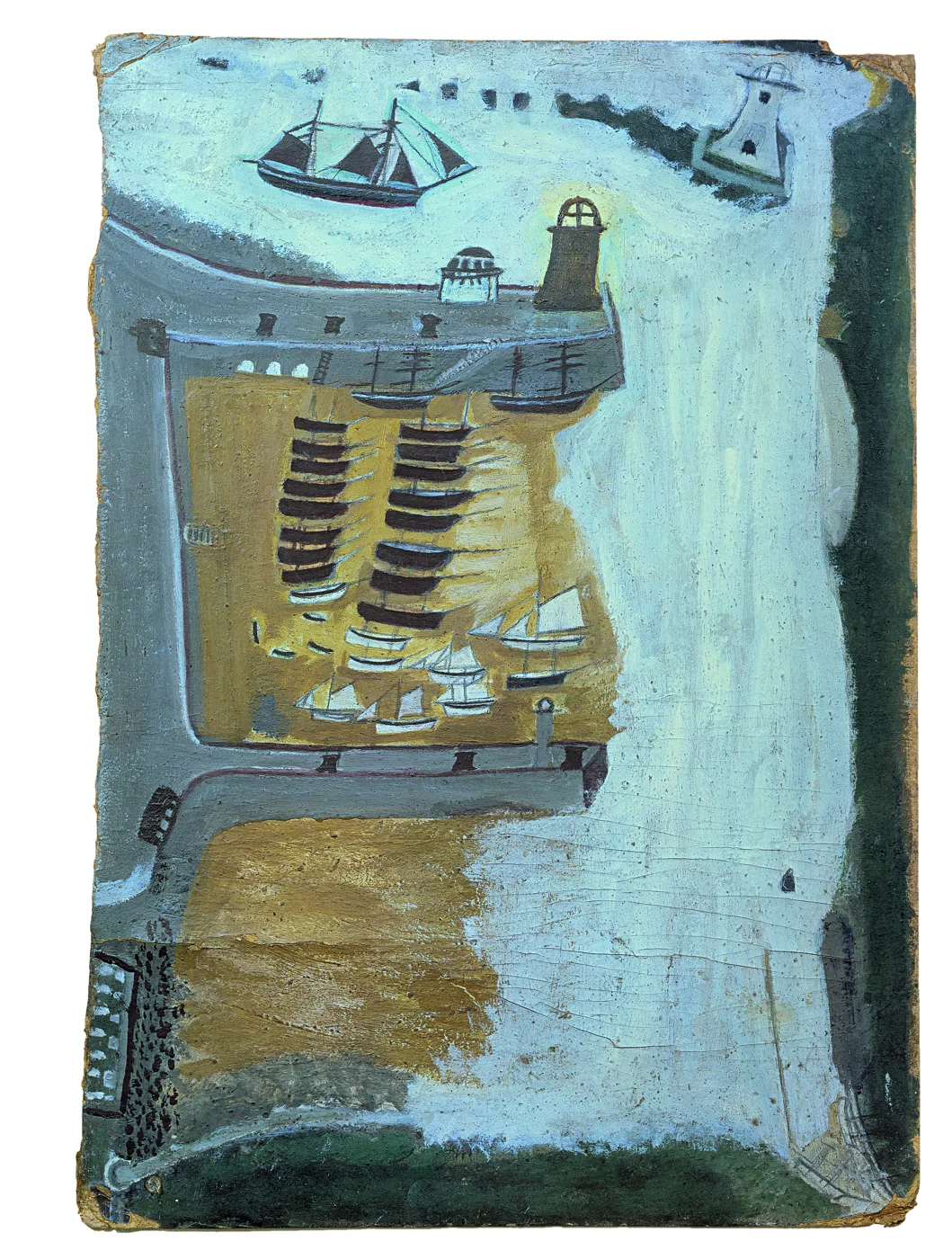
2 photos, swipe or scroll.
The exhibition shows paintings by Wallis that were once owned by the artists who collected him, next to their own work. The gallery names them as:
- Wilhelmina Barns-Graham, Barbara Hepworth and Peter Lanyon
- Margaret Mellis, Ben Nicholson and Winifred Nicholson
- Adrian Stokes, John Wells and Christopher Wood
Among their own works in the show:
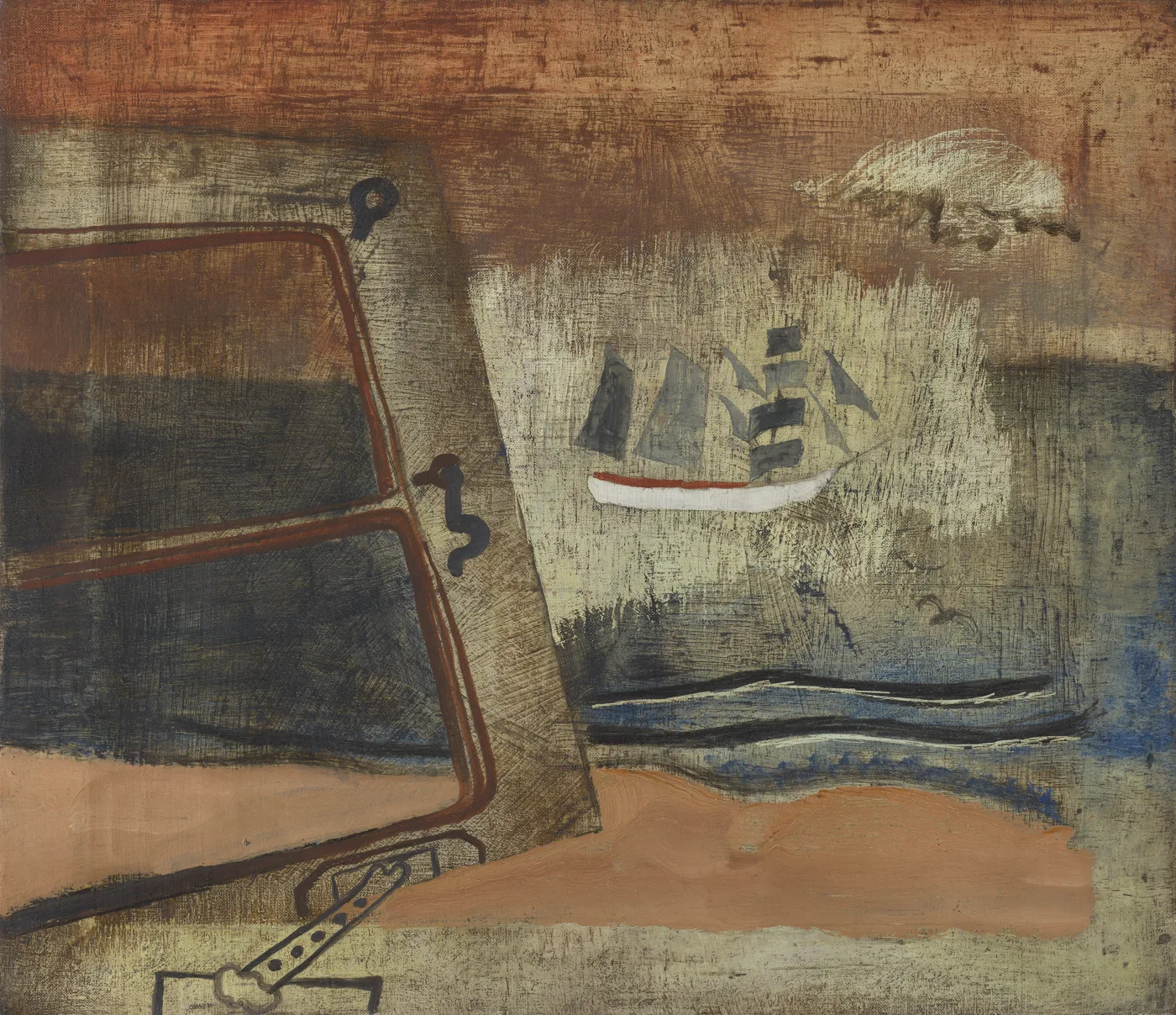
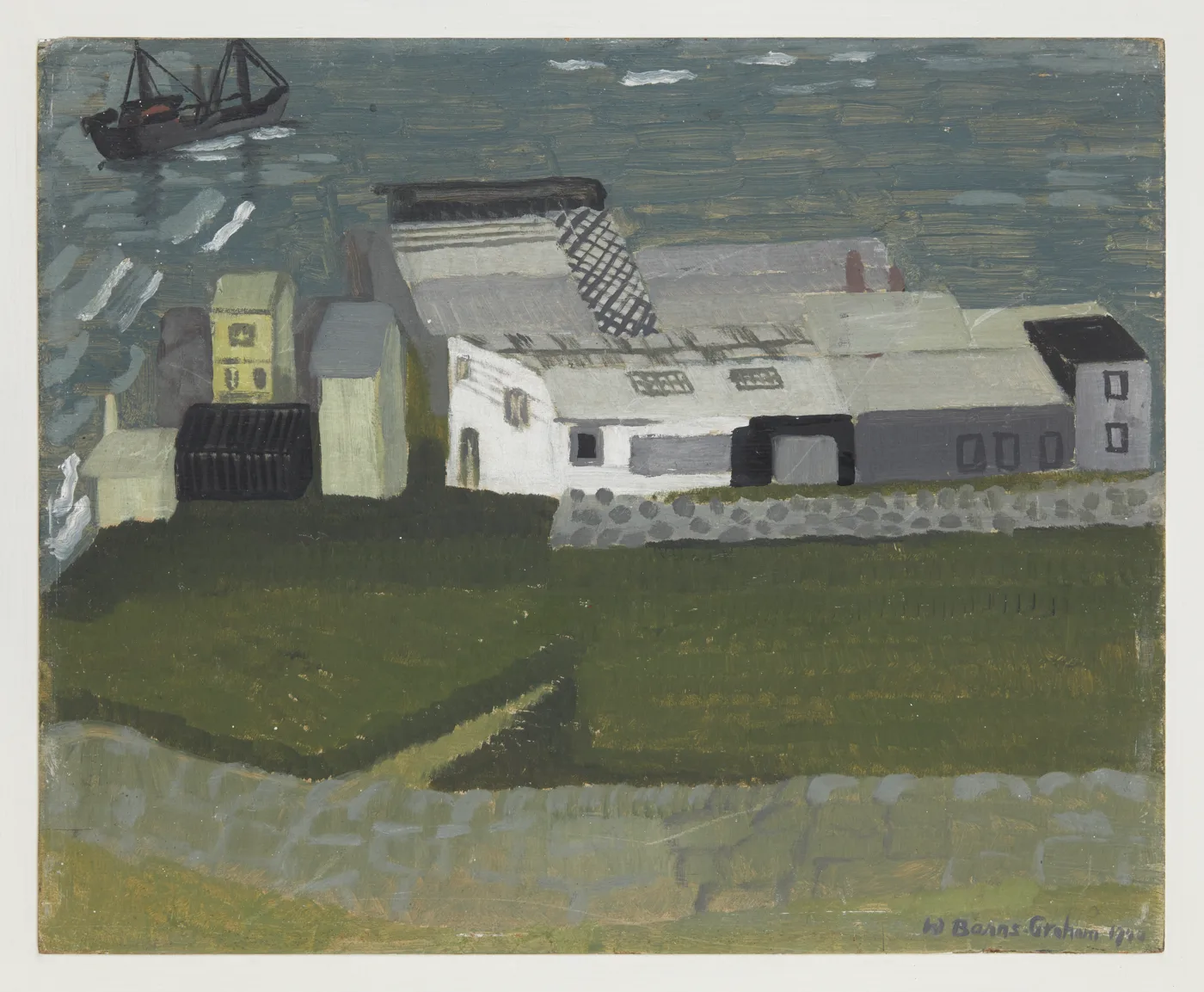
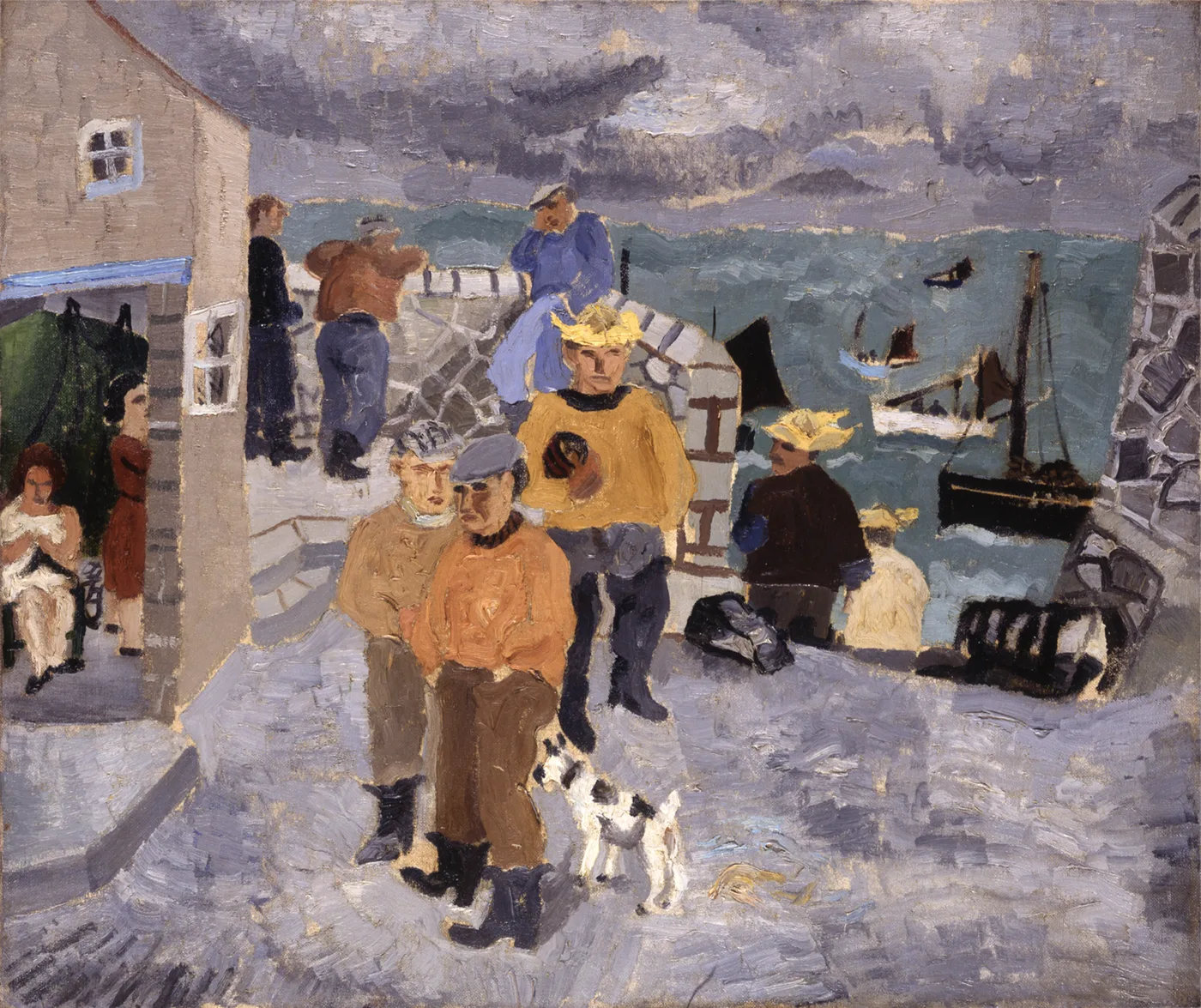
3 photos, swipe or scroll. Photos: Mike Davidson, supplied by Pallant House Gallery
One highlight is Boats at Quayside, a single canvas whose lower half is attributed to Wallis and whose upper half to Wood. Hepworth herself is quoted on the release: “He didn’t know how much we all learnt from him. He had a magical sense of reality, colour, and tone, which he did so simply and so truthfully, and which inspired us all.”
Simon Martin, Director of Pallant House Gallery, said:
“Alfred Wallis showed British artists that to be modern and authentic, they did not need to emulate the latest avant-garde developments in Paris: for a retired Cornish fisherman painting from memory on scraps of cardboard could quite independently arrive at entirely fresh and unique visual ideas. This was a lesson that was to profoundly inform the development of British abstraction.”
The show is curated by James Scott, an orthopaedic surgeon. He was founding chairman of the Arts Project at the Chelsea and Westminster Hospital, which has placed more than 1,500 works of art in the hospital since 1993. A book of the same title, published by the gallery and distributed by Yale University Press, comes out this month. After Chichester the exhibition goes to Penlee House Gallery and Museum in Penzance, from 15 May to 9 October 2027.
Also at the gallery now
Two other shows are already open:
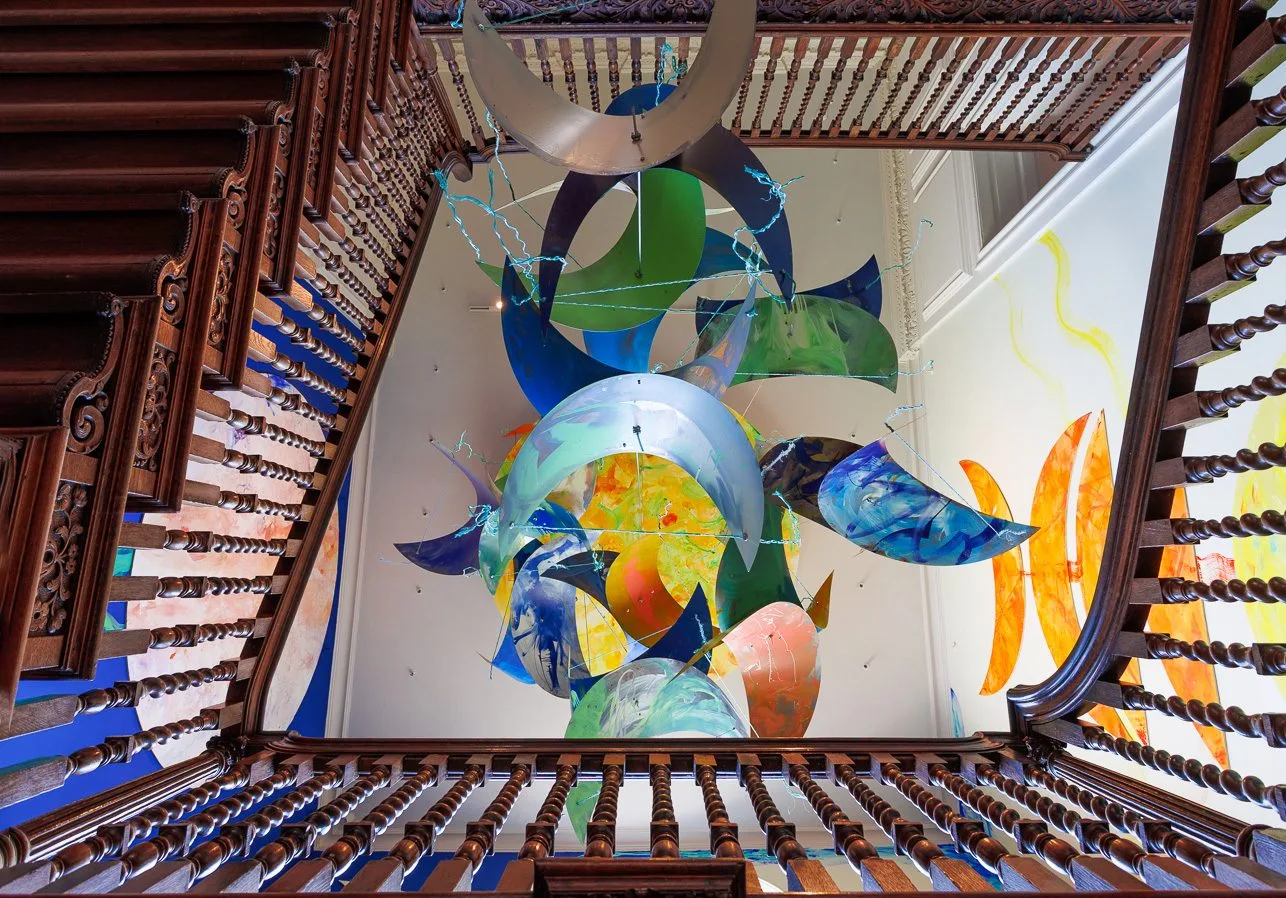
- Ro Robertson: Howl, in the historic townhouse staircase until October 2028. It pairs a mural with Robertson’s first suspended sculpture, Crosswaves, made from curved steel weathered by the sea at Porthmeor Beach in St Ives. Robertson’s Porthmeor studio is a few steps from the former homes of Wallis and Hepworth. Howl is included in general admission.
- Rachel Howard and Frank Auerbach: Noise, prints by the two artists in the Print Room until 31 January 2027. Noise is free to visit. The Print Room is closed on Saturday 14 and Sunday 15 November.
What it means for you
For anyone in Chichester, these are two major exhibitions, with loans from Tate and national museums, a short walk from the Cross, open six days a week until May. Under 18s go free, so it is an easy half-term or Christmas holiday trip with children. The gallery is closed on Mondays.
For more ideas, see our things to do in Chichester.
Pallant House Gallery sent us both press releases and the pictures for this story.
Have your say