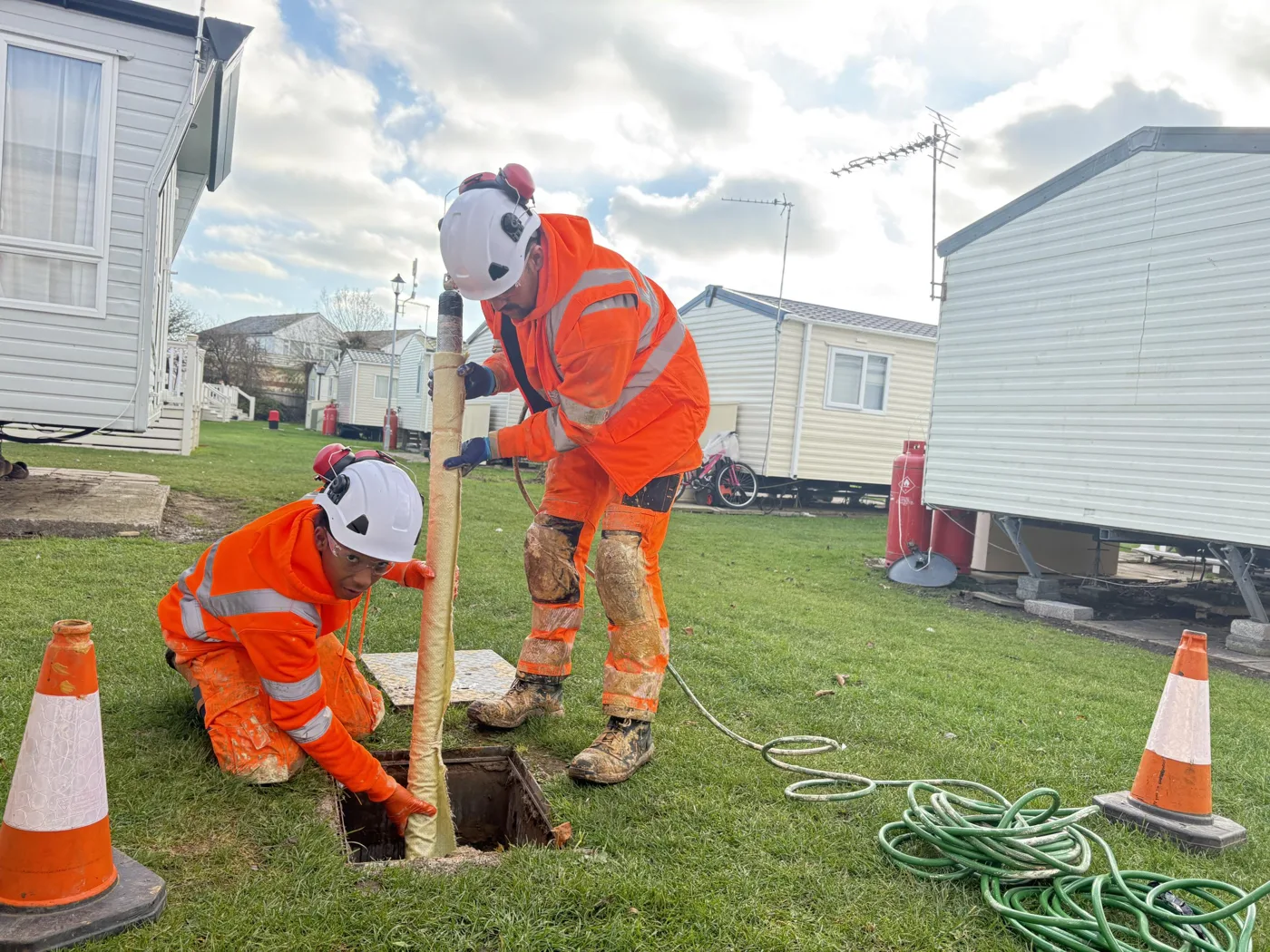

Southern Water has sealed about 16km of sewer in Lavant, Singleton, Charlton, West Dean and East Dean against groundwater. Lidsey and Nutbourne work follows.
Southern Water has rehabilitated and sealed around 16 kilometres of sewer in the Lavant Valley over the past year, covering West Dean, East Dean, Lavant, Charlton and Singleton, to keep groundwater out of the network this winter.
Overview
- Done: about 16km of sewer sealed in West Dean, East Dean, Lavant, Charlton and Singleton.
- Planned: 3.7km of sewer at Lidsey, which the company calls “a known groundwater hotspot”, 0.7km of sealing to be completed in and around Nutbourne, and a new 10km project at Winchelsea Beach in East Sussex.
- This winter: teams will watch how the network performs through the groundwater season and decide whether more work is needed.
The company says sealing the pipes stops groundwater leaking in and sewage leaking out. That, it says, reduces the risk of groundwater infiltration and flooding and helps prevent storm overflow releases.
The release does not say which Nutbourne it means. There is one near Southbourne in Chichester district and another near Pulborough.
Why groundwater gets into the sewers
Southern Water says many of the areas hit by groundwater flooding sit above chalk aquifers, which “act like giant natural sponges”. After long spells of rain they soak up water and release it slowly over weeks and months.
As the water table rises, groundwater can get into sewer pipes and manholes through small cracks, joints and defects. That takes up space in the network and can raise the risk of flooding long after the rain has stopped.
George Taylor, Director of Wastewater Operations at Southern Water, said: “Groundwater remains one of the biggest challenges facing some of our Sussex communities because its impacts can continue long after heavy rainfall has ended. As we head into winter, we’re focused on doing everything we can to protect customers.
“Across Sussex we’ve invested in targeted improvements to strengthen the resilience of our wastewater network, including a major sewer sealing programme in the Lavant Valley and further schemes in other groundwater hotspot areas.
“These improvements are designed to reduce the amount of groundwater entering our sewers and overwhelming the network, which leads to flooding.”
Help when groundwater is high
The company says it has dedicated community engagement staff in place and is working more closely with specialist contractors, so that villages get timely information and support when the network is under pressure.
Mr Taylor said: “Alongside this, we’ve taken steps to strengthen the way we support customers during periods of high groundwater, improving communication, increasing our presence in affected communities and ensuring we are better prepared to respond when conditions become challenging.”
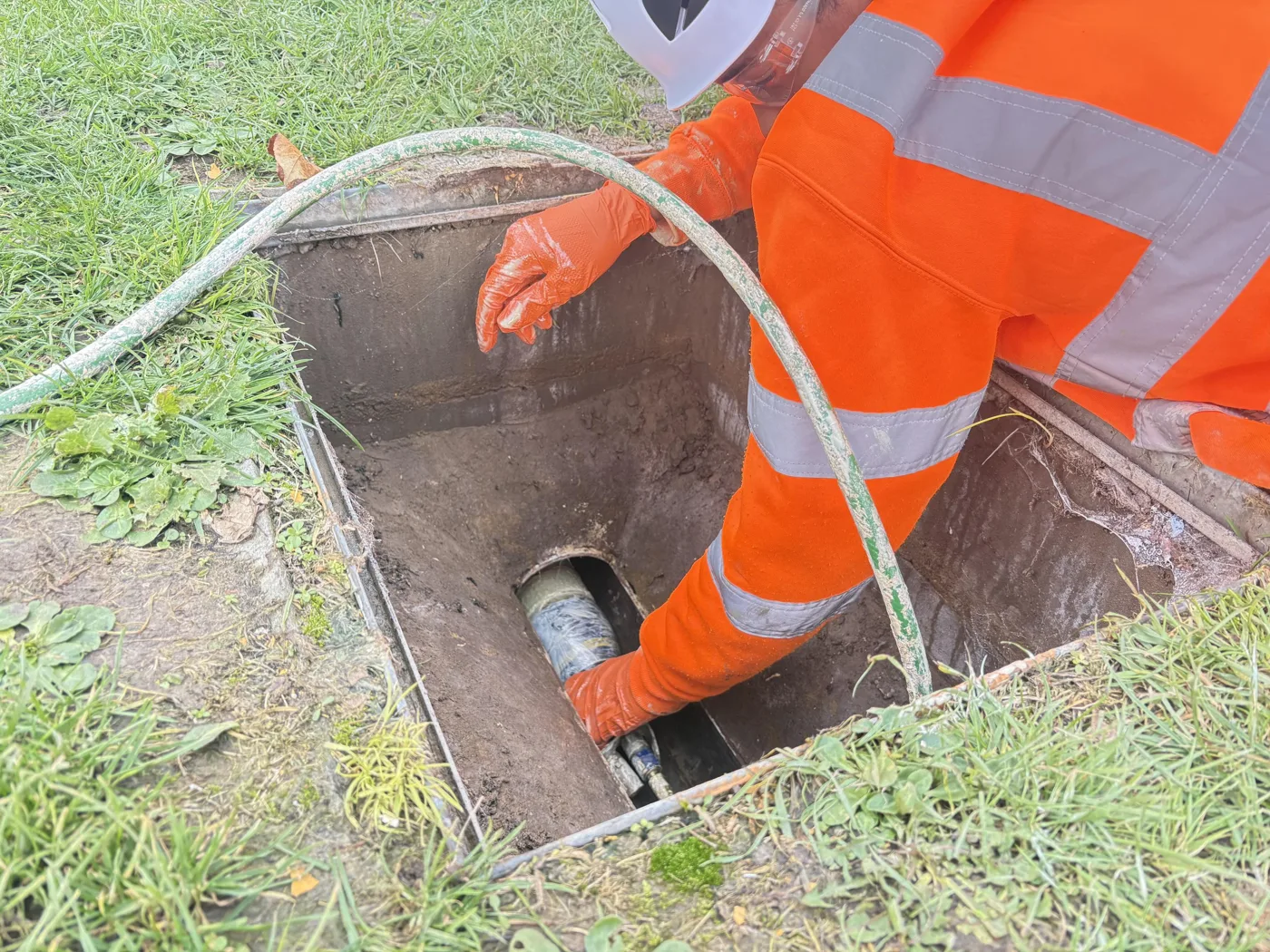
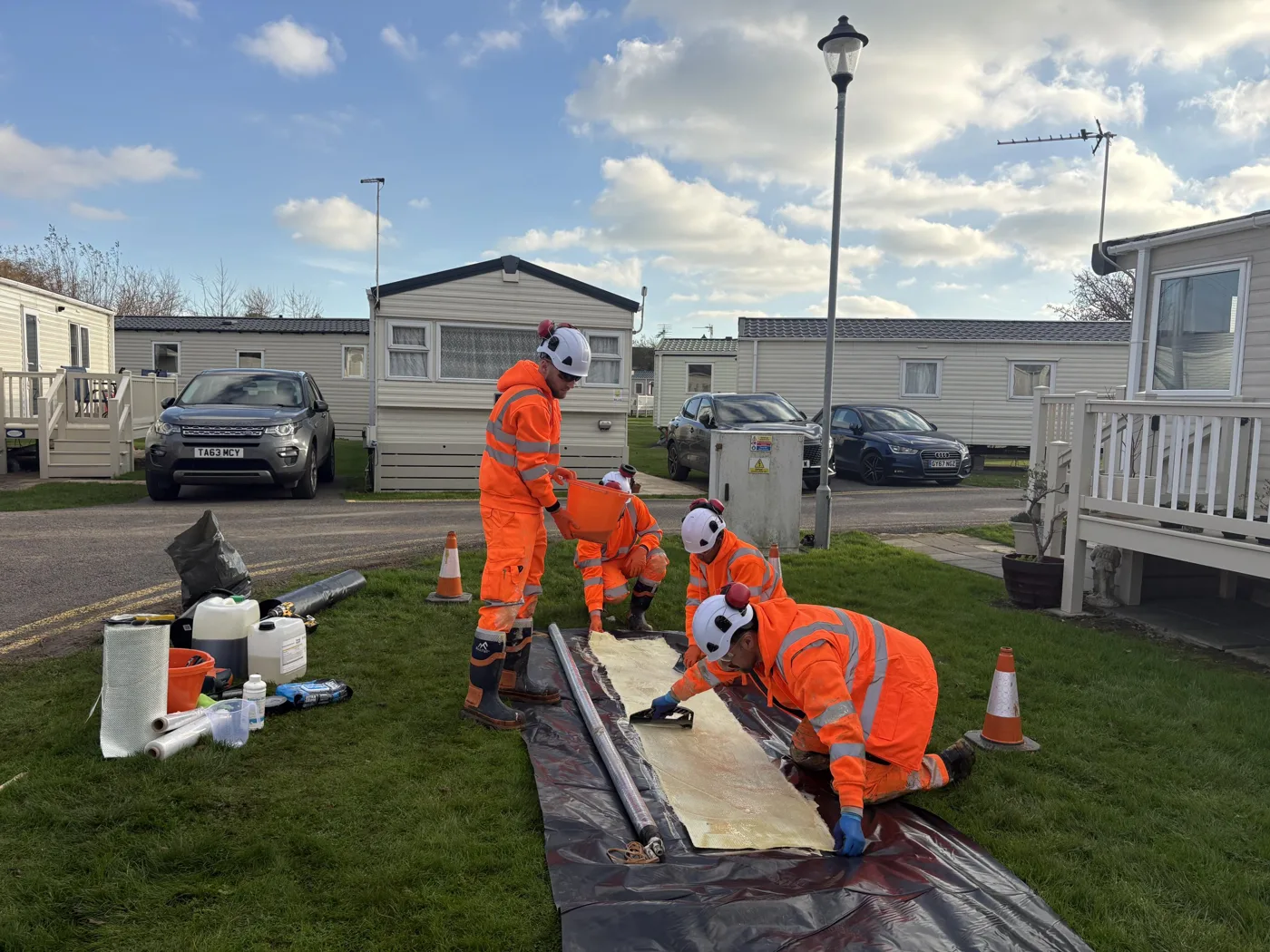
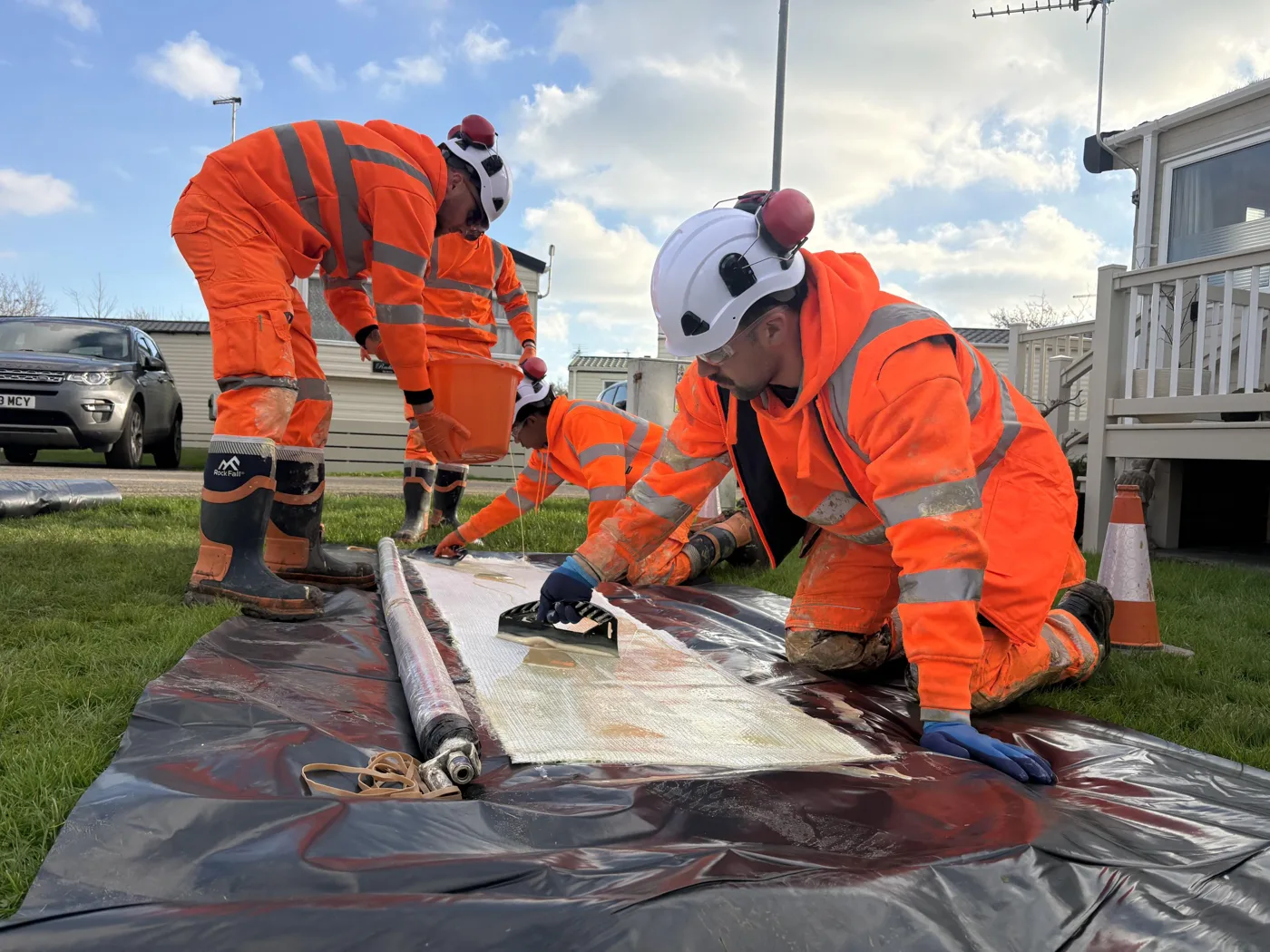
The pictures show Southern Water teams at work in Winchelsea. Separately, the company is carrying out a £25m upgrade at the city’s own treatment works, which we reported on in August.
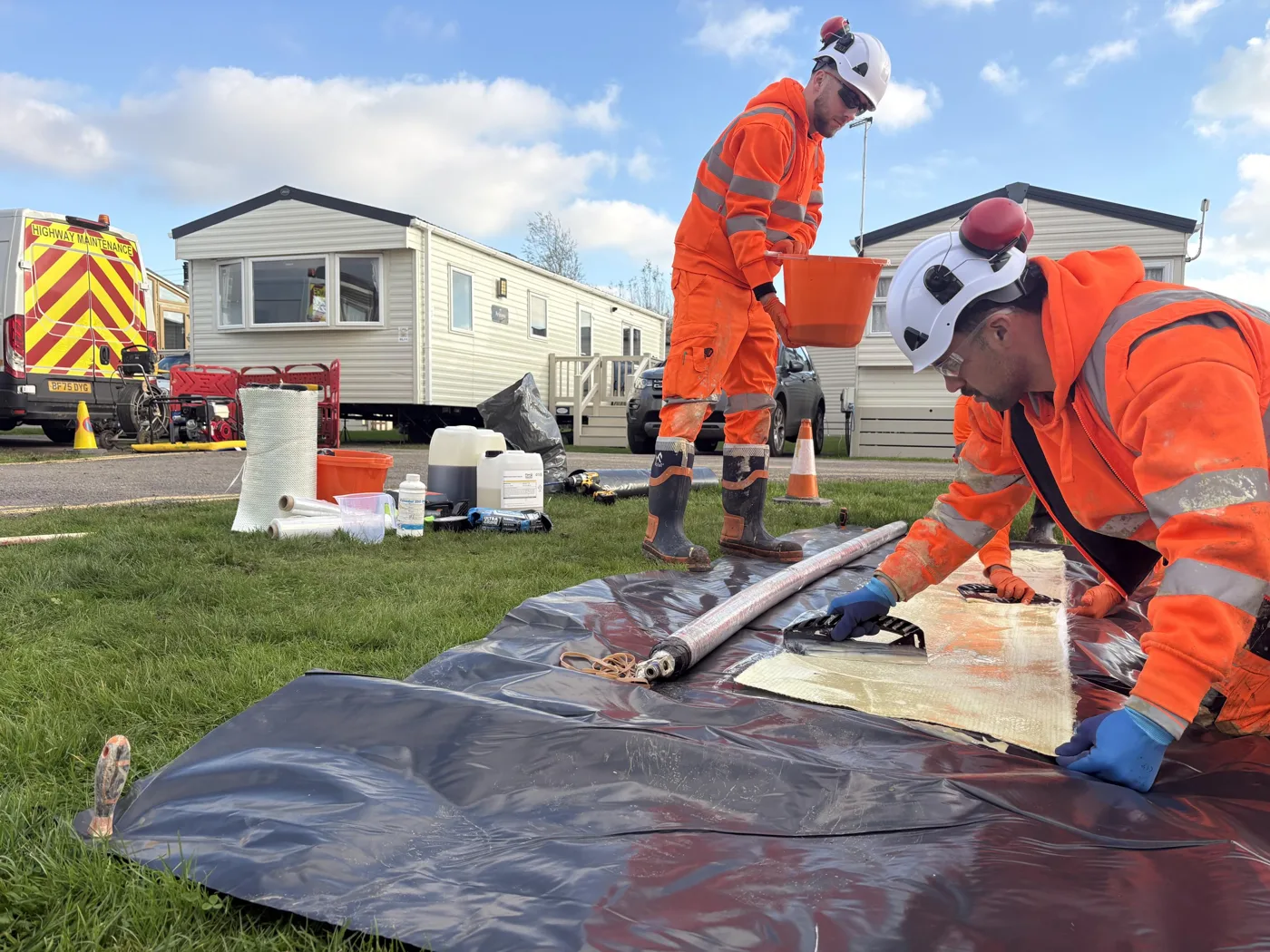
Source: Southern Water press office.
Have your say